Concrete Repair & Replacement
Fix damaged concrete or replace sections that are beyond repair with expert craftsmanship.
When to Repair vs Replace
Not all concrete damage requires complete replacement. Sometimes a good repair fixes the problem and saves you money. Other times, replacement is the smarter long-term solution. Here's how to tell the difference.
Minor surface cracks, small chips, and isolated damage usually qualify for repair. If the concrete is still structurally sound and level, we can fix cosmetic issues without tearing everything out. Resurfacing, patching, and crack filling extend the life of concrete that's otherwise in good shape.
Major cracking, large settled sections, or extensive damage typically need replacement. When concrete has dropped several inches, broken into multiple pieces, or developed widespread cracking, repair costs often approach replacement costs anyway. In these cases, replacing the entire section makes more sense because you get decades more life from new concrete.
- •Hairline cracks under 1/8 inch can usually be repaired
- •Settled or sunken concrete often needs leveling or replacement
- •Surface spalling and scaling can be resurfaced if stable underneath
- •Extensive damage covering more than 30 percent usually needs replacement
Repair Methods We Use
We match the repair method to the type and extent of damage. Different problems need different solutions. Using the right technique ensures repairs last and blend with the existing concrete.
Crack Filling and Sealing
For narrow cracks that aren't actively moving, we clean them out and fill them with flexible sealants or epoxy. This prevents water from getting in and causing more damage. The repair material bonds to both sides of the crack and moves slightly with temperature changes, preventing the crack from reopening.
Concrete Patching
Broken corners, spalled areas, and small holes get patched with repair mortar or concrete. We prep the damaged area, apply bonding agent, and fill it with patching material. Proper surface preparation is crucial for patches to bond correctly and last. We match the finish to blend with surrounding concrete as much as possible.
Concrete Resurfacing
When the surface is damaged but the base is solid, resurfacing covers the old concrete with a fresh layer. This technique works for surfaces with surface cracks, discoloration, or minor wear. We apply a thin overlay that bonds to the existing concrete, creating a like-new surface. You can even add color or texture for a completely new look.
Replacement Process
When replacement is necessary, we handle it efficiently and correctly. The process involves removing old concrete, addressing what caused the original damage, and installing new concrete that will last.
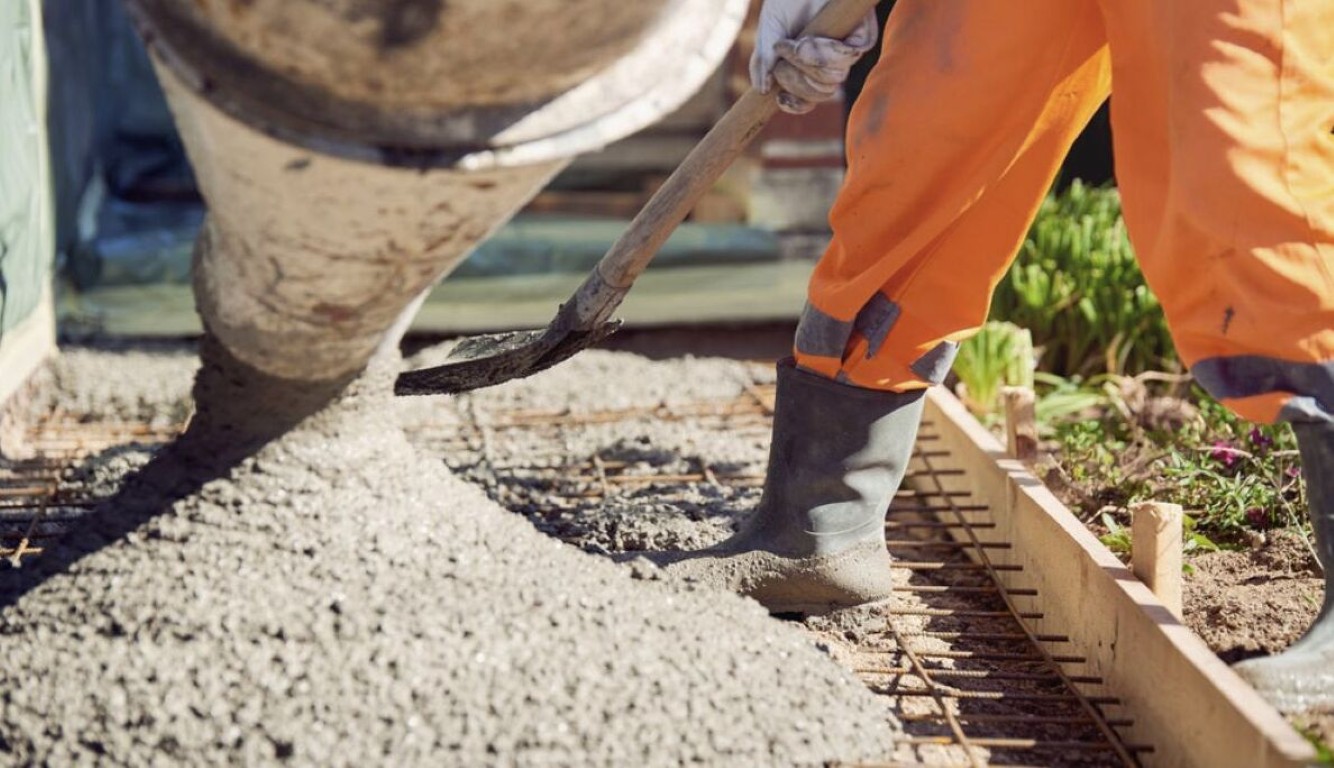
We start by sawcutting clean lines around the section to be replaced. This prevents damage to adjacent concrete during removal. Then we break out and haul away the old concrete. Next comes investigating why the damage occurred. Poor drainage, inadequate base, or soil settlement often cause concrete problems. We fix these underlying issues before pouring new concrete.
The replacement section gets proper base preparation, compaction, and reinforcement. We match the thickness and finish of surrounding concrete so the new section blends in. Control joints go in the same locations to maintain the pattern. After curing, the new section should be nearly indistinguishable from older concrete once it weathers slightly.
Partial replacement costs less than redoing an entire driveway or patio, but you still get new concrete where you need it. This approach makes sense when only certain sections are damaged and the rest of the concrete is in good condition.
Common Questions About Concrete Repair
Have damaged concrete? Contact us for an assessment and quote on repair or replacement options.