
Concrete Patios
Create an outdoor living space that handles Florida weather and everyday use without constant maintenance.
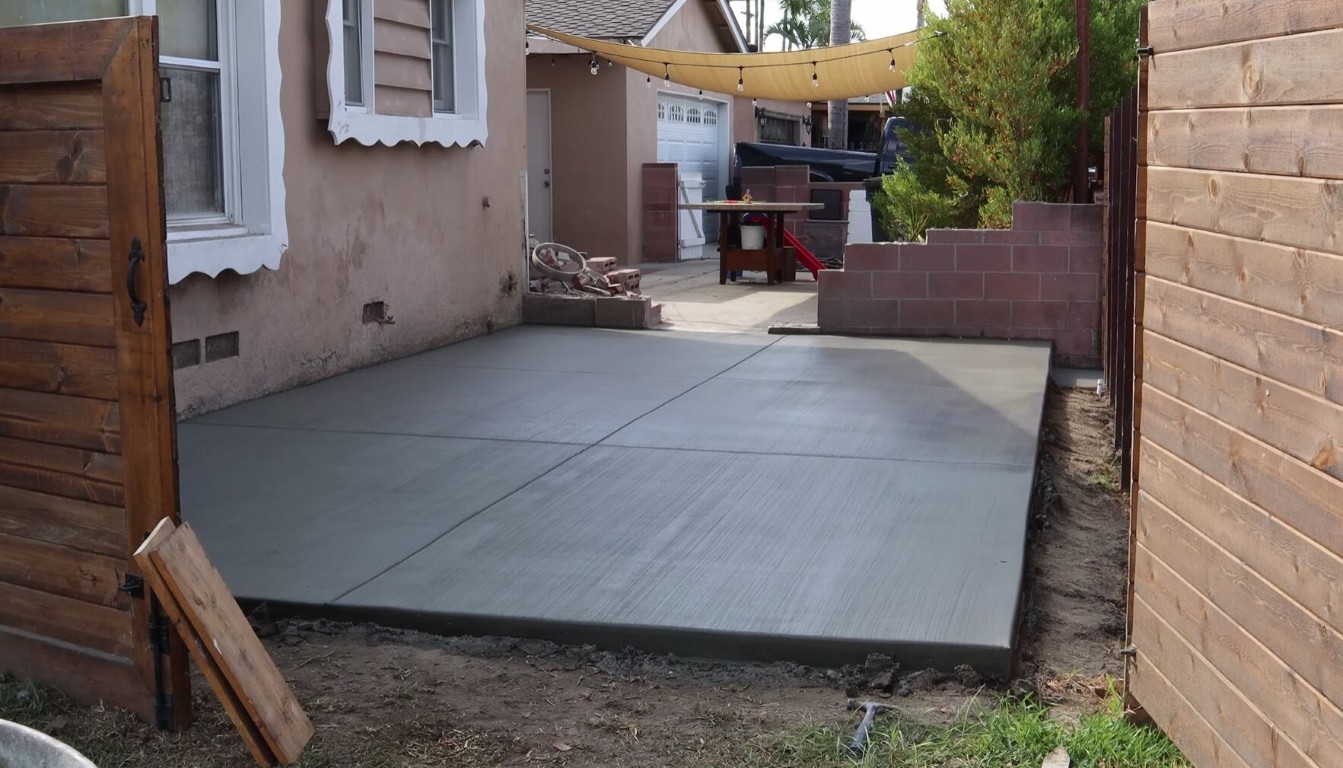
Why Concrete Beats Wood Decks
Your backyard should be a place where you relax, not a constant source of maintenance headaches. Wood decks look great when they're new, but Florida's climate destroys them. The sun fades the wood, humidity causes rot, and you're stuck sanding and staining every year just to keep them looking decent.
A concrete patio gives you the outdoor space you want without the endless upkeep. Once we install it, you're done. No annual staining. No replacing rotted boards. No worrying about splinters or nails working loose. Just a solid surface that stays put and looks good year after year.
Concrete also stays cooler than you'd expect. With the right finish and color, a concrete patio doesn't turn into a hot plate in the summer sun. It drains water quickly during afternoon storms, and you can add decorative finishes that look like stone, tile, or brick for a fraction of what those materials cost.
- •No rotting, warping, or termite damage like wood decks
- •Never needs sanding, staining, or sealing like wood
- •Handles heavy furniture and grills without sagging or damage
- •Customizable with colors, patterns, and textures
Patio Design and Layout
The best patio design works with your home and yard, not against them. We help you figure out the right size, shape, and location for your space. Too small and it feels cramped. Too big and it overwhelms your yard and costs more than you need to spend.
Size and Shape Considerations
Most families need at least 12 by 12 feet for basic outdoor dining. If you want space for a grill, seating area, and room to move around, plan for 16 by 20 feet or larger. The shape depends on your yard and how you'll use the space. Rectangular patios work well for most homes, but curved edges or custom shapes can fit awkward spaces or create more visual interest.
Drainage and Slope
We slope your patio slightly away from your house so water runs off instead of pooling or draining toward your foundation. This seems like a small detail, but it prevents major problems down the road. Water that sits on concrete or drains toward your house causes staining, erosion, and potential foundation issues.
Integration with Existing Features
Your patio should connect naturally to your home and yard. We consider door locations, existing landscaping, and how you move between indoor and outdoor spaces. If you have a pool, we can extend the patio to create a cohesive outdoor living area. Built-in planters, seating walls, or fire pit areas can be added during construction for a complete custom design.
Decorative Options for Patios
Plain gray concrete works fine if that's what you want, but you have plenty of options to make your patio more attractive. Stamped concrete, colored concrete, and exposed aggregate all give you different looks at different price points.
Stamped concrete creates patterns that look like flagstone, slate, brick, or tile. We press stamps into the concrete while it's wet to create realistic texture and patterns. Combined with integral color or stains, stamped concrete can closely mimic expensive natural stone for much less money. It's one of the most popular choices for patios because it adds so much visual appeal.
Colored concrete uses pigments mixed into the concrete or applied as surface stains. You can choose from earth tones that blend with your landscaping, or bolder colors that make a statement. Combining colors with borders, bands, or geometric patterns creates custom designs that make your patio unique.
Exposed aggregate reveals the natural stone in the concrete mix for a textured, slip-resistant surface. It's practical and attractive, with a more casual look than stamped concrete. The texture also helps keep the surface cooler in direct sunlight compared to smooth concrete. Choosing the right finish is one of the most impactful decisions in any concrete patio construction project, and it's worth discussing all the options before work begins.
Common Questions About Concrete Patios
Ready to create your perfect outdoor space? Get started with a free consultation and quote for your concrete patio project.